

How to Reach Top Trending on X in 2026: A Practical Algorithm Playbook
How to Reach Top Trending on X in 2026: A Practical Algorithm Playbook
Updated August 2026 · 12-minute read
Getting a post into the top of X is less about finding a secret hashtag and more about creating a small, fast-moving conversation that people genuinely want to join. That matters even more after the latest X algorithm 2026 changes. The For You feed is increasingly personalized, Grok reads meaning and context, and a post can travel well beyond its followers when early readers respond with depth rather than empty clicks.
This guide explains how to trend on Twitter in 2026 without buying fake activity or stuffing a caption with tags. You will learn what the ranking system appears to reward, how to plan the first hour, which creative formats give readers a reason to stop, and where a tool such as TweetAttacksPro can save time while you keep the voice and judgment human.
What changed in 2026?
The short version is that X now behaves more like a recommendation engine than a simple timeline. The default For You feed blends accounts you follow with recommended posts. Explore uses AI summaries and topic clusters, while Following remains chronological but receives less discovery traffic. Public explanations from leading social teams and analyses of the open-source recommendation code point to the same pattern: recency still matters, but relevance and predicted conversation matter more than raw follower count.
Three practical shifts stand out:
- Meaning beats matching. Grok can understand whether a word refers to coffee, code or a cultural moment. Write for a real audience and a clear topic, not for a list of disconnected keywords.
- Replies have become a distribution engine. A thoughtful multi-turn exchange tells the system that the post created value. One-word reactions are easy to ignore; useful follow-ups keep the post alive.
- Native experiences win. Short video, images, polls and readable threads keep people on X. External links can reduce reach, so place a link in a follow-up reply when it makes sense.
These changes do not make trending predictable. They do make it more measurable. Think in terms of a “momentum window”: the first 15 to 60 minutes when a clear idea earns real responses from the right people.
The ranking signals worth watching
Most discussions of how to get a post trending on X focus on likes because likes are visible. In practice, the stronger clues are often quieter:
- Reply quality and depth. Does someone answer your question, add an example, and return for a second turn? Invite that kind of response with a narrow prompt such as “Which step breaks first in your workflow?”
- Reposts and bookmarks. A checklist, benchmark or useful template earns saves and shares. Make the post valuable enough to keep.
- Early velocity. A post that earns relevant action quickly has a better chance of being tested with a wider audience before its freshness decays.
- Topical relevance. Consistent topics help X place your account in a recognizable conversation cluster. Randomly jumping from finance to memes to software makes discovery harder.
- Account trust. A complete profile, clear bio, steady history and good-faith replies reduce friction for new readers. Premium status may help distribution, but it cannot rescue thin content.
- Media and dwell time. A strong visual or short native clip creates a pause. Captions should still work for people who never press play.
Treat these as X engagement signals, not a scoreboard. They tell you what to improve in the next post, not what to chase with artificial activity.
A repeatable formula for a trend-ready post
A reliable Twitter trending strategy for brands starts before the post is written. Use this five-part structure:
1. Start with a specific tension
“More content” is not a tension. “Our team doubled output and lost replies” is. A tension gives people a reason to read the second line and a position to respond to. State the problem in plain language, then add one observation that feels earned from experience.
2. Deliver one useful takeaway
Give readers a small win: a three-step checklist, a before-and-after example, or a number with context. Avoid stacking five ideas into one post. A focused post is easier to quote, save and explain to a colleague.
3. Add a visual layer
Use one clean image, a native clip, a mini chart or a poll. The asset should clarify the point, not repeat the headline in decorative type. High contrast, readable mobile text and descriptive alt text help people who skim with sound off.
4. Ask for a real response
Replace “Thoughts?” with a question that has boundaries. “Which metric do you check first: replies, reposts or profile visits?” is easy to answer and naturally creates comparison. Reply to early comments with new information, not a string of thank-yous.
5. Keep the link out of the opening line
If the post needs a destination, publish the insight first and add your link in the first reply. For a product mention, explain the problem you solve before naming the product. In this article, readers who want a practical workflow can explore TweetAttacksPro after they understand the strategy.
How to work the first hour
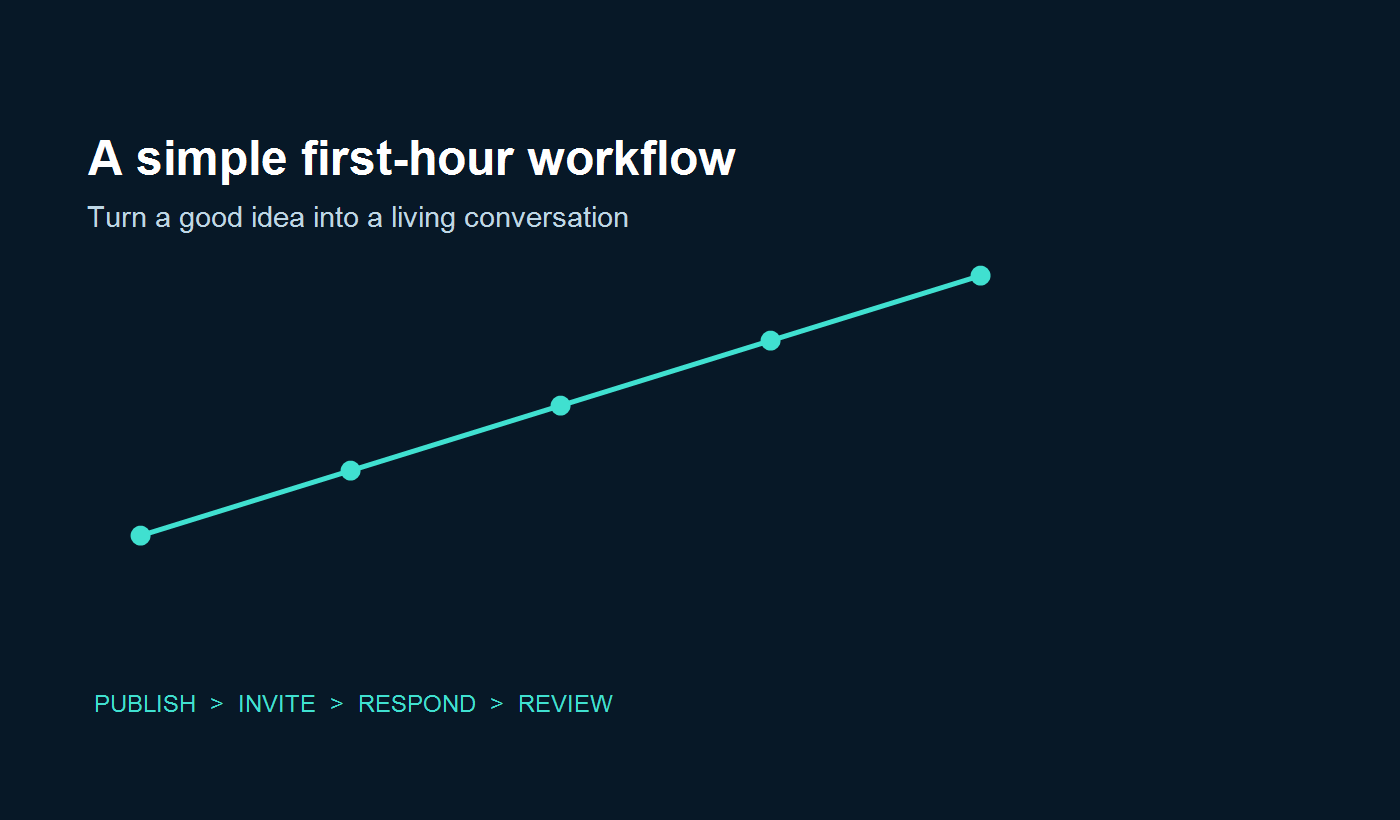
Knowing how to trend on Twitter in 2026 is mostly knowing what to do after you press Post. Use a simple operating rhythm:
- Minute 0-10: Watch for genuine questions. Pin a clarification in your own reply if people misread the hook.
- Minute 10-30: Answer with examples, screenshots or a counterpoint. Invite subject-matter peers into the conversation only when their perspective is relevant.
- Minute 30-60: Look for the comment that contains the best new angle. Turn it into a mini-thread or quote post so the conversation has a second doorway.
- After 60 minutes: Record replies, reposts, bookmarks, profile visits and follows. Compare those numbers with your normal baseline, not with a celebrity account.
This is where a thoughtful Twitter trending strategy for brands beats a one-off viral stunt. Document the hook, format, audience segment and time zone. You are building a library of patterns your team can reuse.
Timing, hashtags and topic choice
There is no universal best time to post on X. The correct window is when the people you want to reach are awake, curious and able to reply. Start with two audience windows, test them for two weeks, and adjust using your account analytics. A smaller, active audience is more valuable than a large audience that never responds.
The same discipline applies to a Twitter hashtag strategy 2026. Use one or two specific tags when they help a reader understand the conversation. A niche tag plus a clear phrase usually beats a cloud of broad tags. If a topic is already moving, add a distinct point of view instead of repeating the trend’s headline.
Watch local context as well. A news cycle, product launch or live event can change the meaning of a keyword within minutes. Ask whether your post adds information, a useful synthesis or an honest question. If it does not, wait.
Using automation without losing credibility
Tools are helpful when they remove repetitive work: organizing accounts, preparing variations, scheduling a test, or collecting post-level results. They become risky when they manufacture the appearance of a crowd. X can detect repetitive language, unnatural timing and low-quality interactions, and your audience can detect them too.
Use TweetAttacksPro as an operations assistant, not as a substitute for judgment. Prepare a small set of human-written reply angles, review every target account, set conservative pacing, and stop a campaign when the conversation changes. The goal is to create more room for relevant participation while preserving a recognizable voice.
A healthy workflow looks like this: research a topic, write the core post yourself, prepare a few context-rich responses, monitor the first hour, and then inspect the results. Automation can make the checklist easier to follow; it should never decide what your brand believes or pretend that a person said something they did not.
What usually prevents a post from trending
When a post stalls, do not immediately blame the algorithm. Check the basics:
- The hook is vague, so readers cannot tell what they are being asked to do.
- The post contains an outbound link before it has earned attention.
- The image is hard to read on a phone or adds no new information.
- The account jumps between unrelated topics, weakening semantic relevance.
- The author replies with promotion instead of answering the question.
- The team posts during a quiet audience window and stops monitoring too soon.
Make one change at a time. A/B test the opening line or visual, not the entire strategy at once. That is how you turn X engagement signals into learning rather than vanity metrics.
FAQ
Can anyone reach top trending on X?
Anyone can earn wider distribution, but no tactic guarantees a trending placement. Reach depends on the topic, competition, audience response, account history and timing. Focus on a useful idea and a conversation you can support.
How many hashtags should I use?
Usually one or two relevant hashtags are enough. A focused Twitter hashtag strategy 2026 gives the algorithm context without making the post look automated. Use the body copy to explain the idea.
Does X Premium guarantee virality?
No. Subscription status can influence distribution and reply visibility, but it does not replace relevance, originality or trust. Premium is an input; it is not a content strategy.
What are the most important X engagement signals?
Look at reply depth, reposts, bookmarks, profile visits, follows and the speed at which relevant people act. Likes are useful as a baseline, but they rarely explain why a post kept traveling.
When is the best time to post on X?
Use your own analytics to find the best time to post on X for your audience. Test two windows, keep the format consistent, and review results after several posts instead of changing the schedule every day.
Can TweetAttacksPro make my post trend?
No software can promise a trending spot. TweetAttacksPro can help with organization, pacing and repeatable engagement workflows, while the quality of the idea and the honesty of the conversation remain your responsibility.
Final checklist
Before publishing, ask: Is the point clear in one sentence? Does the visual add information? Is the question easy to answer? Can I respond for the next hour? Is the link better placed in a reply? After publishing, measure what happened and write down what you learned.
The strongest answer to how to get a post trending on X is not a hack. It is a repeatable habit: publish something specific, make it easy to discuss, show up for the discussion, and improve from evidence. That is how a single post becomes a trusted signal in the right community.