

X Algorithm Explained: Why You See Posts from Non-Followers & How to Go Viral with TweetAttacksPro
You’ve probably noticed this before: you’re scrolling or checking notifications on X, and suddenly you see a post from someone you’ve never followed. No interaction, no prior connection—yet their content lands right in front of you.
At first, it feels random. But it’s not random at all.
This is exactly how the X algorithm is designed to work.
X is no longer just a “following-based” platform. It has evolved into a recommendation-driven ecosystem where content discovery is powered by behavior, engagement signals, and network relationships. The goal is simple: keep users engaged by showing them content they are most likely to interact with.
So why are you seeing posts from accounts you don’t follow?
One of the biggest reasons is indirect interaction. Even if you haven’t engaged with that account directly, someone you follow might have. When people you follow like, reply to, or repost a tweet, that action becomes a signal. The algorithm interprets this as social proof and pushes that content further.
Another major factor is content similarity. X tracks what you engage with—what you read, how long you stay on a tweet, what topics you frequently interact with. Based on that, it builds a behavioral profile. When a new post matches your interests, it gets pushed to you, regardless of whether you follow the author.
Then there’s the amplification factor. If a tweet gains rapid engagement—likes, replies, reposts—it enters a distribution loop. The algorithm starts testing it with wider audiences. This is why some posts suddenly appear everywhere.
And finally, notification settings play a role. If you have “recommended content” notifications enabled, X actively pushes posts it thinks you shouldn’t miss.
Now here’s the interesting part: this mechanism isn’t just something you observe—it’s something you can use.
If you understand how the algorithm distributes content, you can design your strategy to trigger it.
This is where tools like TweetAttacksPro come into play.
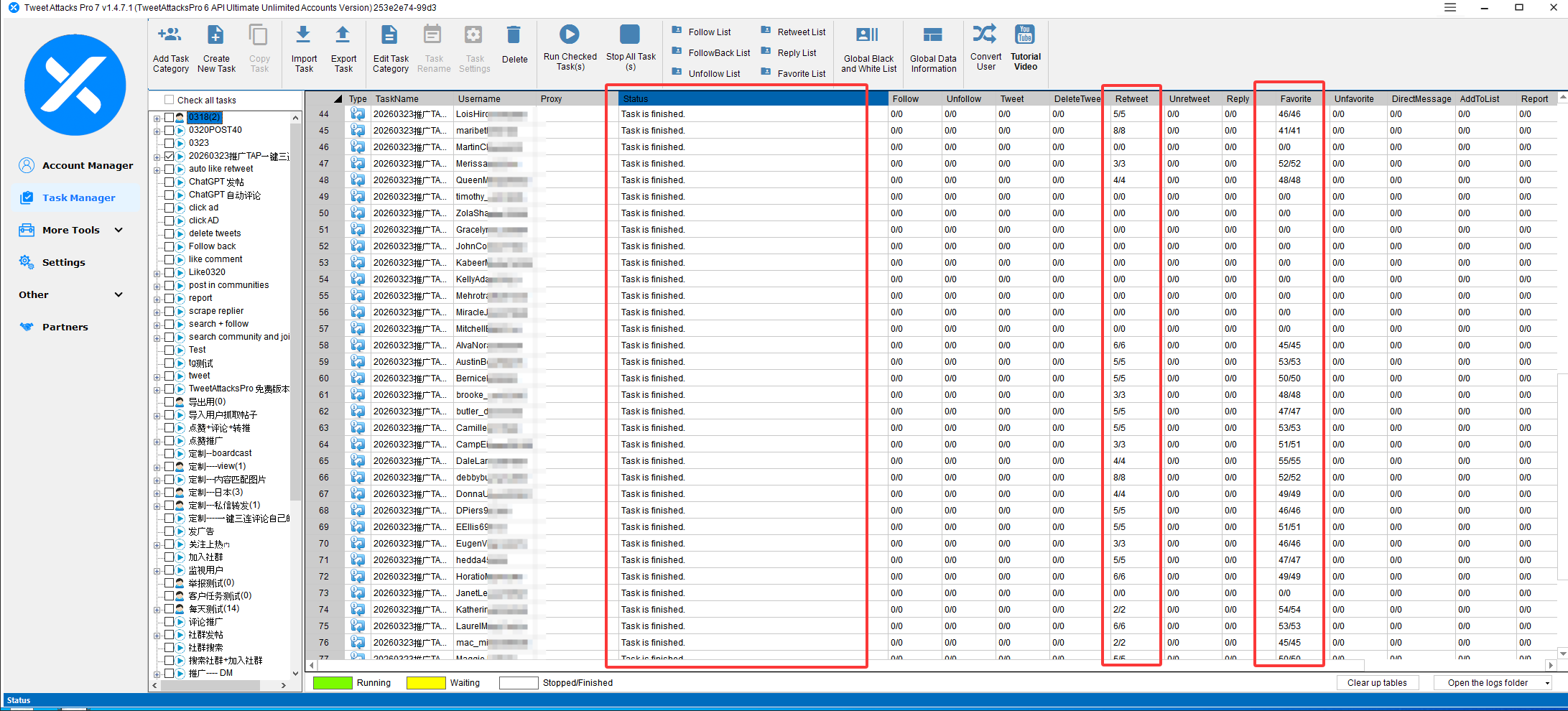
Instead of relying on luck or slow organic growth, TweetAttacksPro allows you to simulate the exact signals that the X algorithm is looking for.
The first key is controlled engagement. When multiple accounts interact with a post within a short time window—likes, replies, reposts—it creates an initial momentum burst. The algorithm interprets this as high relevance.
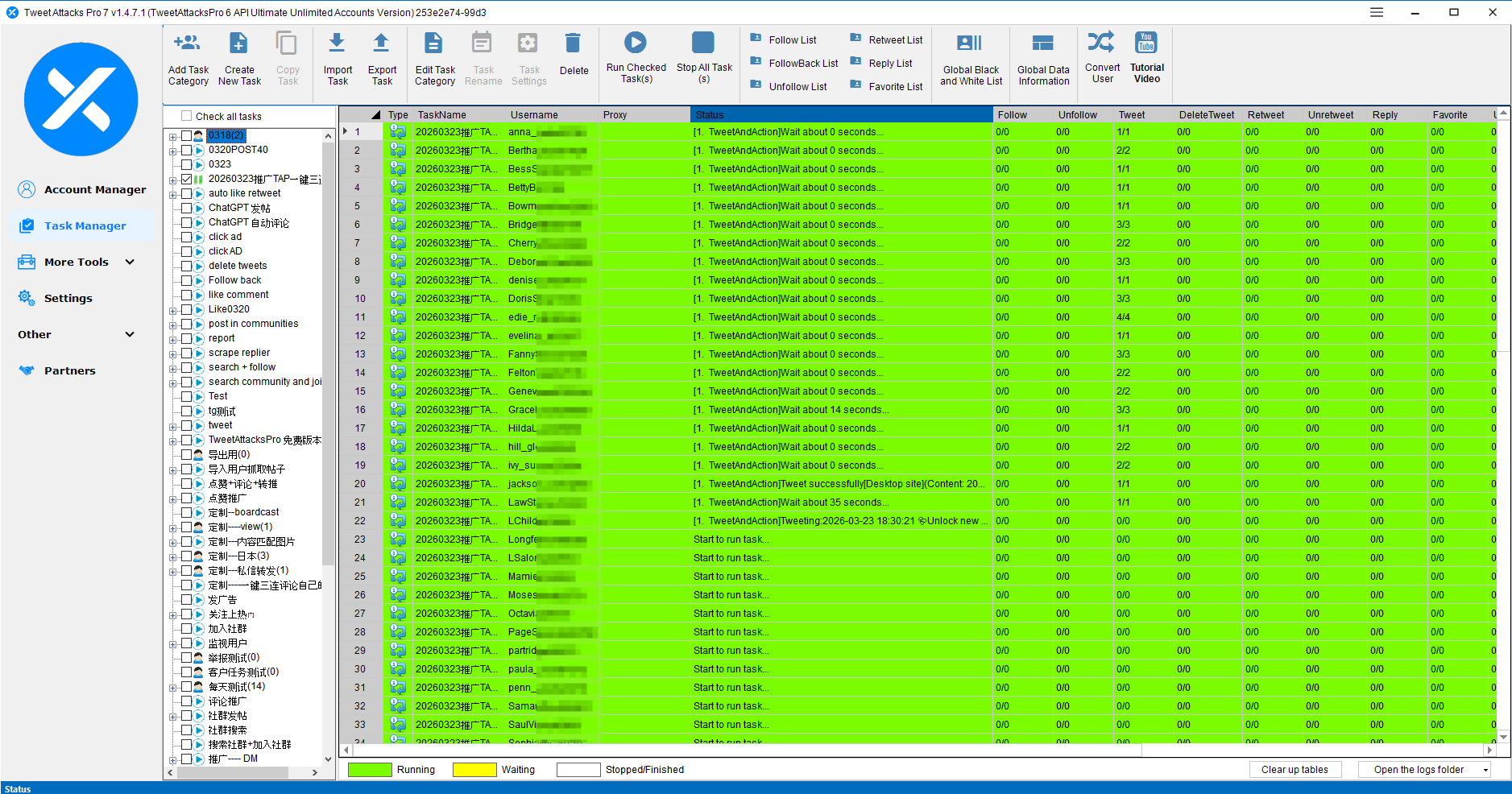
TweetAttacksPro makes this scalable. With multi-account and multi-thread capabilities, you can trigger engagement patterns that look natural but are strategically timed.
The second key is structured interaction depth. It’s not just about likes. Replies matter more. Conversations matter even more. When replies are layered and meaningful, the algorithm sees the content as discussion-worthy.
Using AI-generated replies inside TweetAttacksPro, you can create diverse, human-like responses that increase dwell time and engagement quality.
The third factor is niche targeting. Instead of broadcasting randomly, the tool allows you to interact with users within a specific niche—based on keywords, hashtags, or competitor accounts. This aligns your content with the right audience cluster.
Once your content is introduced into a relevant audience pool, the algorithm takes over.
Another powerful strategy is timing synchronization. Posts that receive engagement immediately after publishing perform significantly better. TweetAttacksPro enables synchronized actions across multiple accounts, ensuring your post gains traction in the critical early phase.
Over time, this creates a compounding effect. Your posts don’t just get views—they get recommended. And once the algorithm starts pushing your content, growth becomes exponential rather than linear.
What makes this approach effective is that it doesn’t fight the algorithm—it feeds it.
Instead of trying to “hack” X, you’re aligning with how it naturally distributes content.
So the next time you see a post from someone you don’t follow, remember: that’s not noise. That’s the system working exactly as intended.
And if used correctly, it can work in your favor too.