



How to Turn X Engagement into Website Traffic: A Smarter DM Marketing Strategy
Introduction: Engagement Is Only the Beginning
Getting people to interact with your posts on X is useful. Turning that attention into meaningful website traffic is where the real marketing work begins.
Imagine publishing a post about a problem your product solves. Some people reply with questions, others ask for more information, and a few may explicitly request a link or send you a DM. These interactions can become valuable opportunities to introduce your website, share useful resources, and build relationships with potential customers.
The challenge is managing those opportunities without spending hours checking notifications, copying usernames, writing repetitive messages, and tracking every conversation manually.
This is where a structured X marketing workflow—and tools such as TweetAttacksPro (TAP)—can help.
The objective is not to message as many people as possible. It is to identify genuine interest, respond appropriately, and make it easier for interested users to take the next step.
1. Identify the Interactions That Matter
Not every interaction signals the same level of interest.
A like may indicate that someone found a post interesting. A reply asking about pricing, features, or availability is a stronger indication of purchase intent. A user who explicitly asks you to send a resource by DM has provided a clearer signal that a private response is welcome.
For practical X marketing, organize interactions into three broad categories:
General engagement: Likes, reposts, and other lightweight interactions that help you understand which topics attract attention.
Potential leads: Relevant replies and questions that deserve a thoughtful response.
Explicit requests: Users who directly ask for a link, product information, a guide, or a follow-up message.
This distinction matters. A person interacting with a public post has not automatically agreed to receive an unsolicited marketing DM.
Instead of treating every interaction as a contact to message, use engagement to understand your audience and prioritize conversations where there is a genuine reason to follow up.
2. Create Posts That Encourage Meaningful Responses
A good DM campaign starts with the post itself.
Rather than publishing a generic promotional message, offer something useful enough that the right audience wants to learn more.
For example, a software company might publish:
Example post:
“Managing multiple X marketing campaigns can quickly become time-consuming. We put together a practical checklist for planning content, organizing tasks, and reviewing campaign performance. Reply or DM us if you’d like more information.”
This type of post gives people a clear reason to respond. It also helps you identify users who are interested in a particular subject.
Other useful approaches include:
Share a short tutorial and offer a more detailed guide.
Explain a common industry problem and invite relevant questions.
Publish a product comparison and offer additional specifications on request.
Share a case study and invite users to explore the full resource on your website.
Be specific about what people will receive. Avoid misleading incentives or engagement bait that pressures users into interacting.
If you plan to automate replies or direct messages, make the expected response clear and ensure the campaign follows X's current requirements for user consent and opt-out.
3. Use Direct Messages to Help Interested Users Take the Next Step
Direct messages can be useful for answering questions, delivering requested resources, and directing interested prospects to relevant website pages.
The key is relevance.
For example, if someone explicitly requests a product guide, a useful response might be:
“Thanks for your interest! Here’s the guide we mentioned: [your website link]. It covers the main features, setup process, and common questions. Let us know if there’s anything you’d like us to clarify.”
This message provides the requested resource rather than sending an unrelated sales pitch.
A well-designed DM workflow can include:
Identify the user's specific request or question.
Select the appropriate response or resource.
Share a relevant, accurate website link.
Answer follow-up questions when appropriate.
Respect any request to stop receiving messages.
Avoid repeatedly sending the same promotional link to unrelated users. X prohibits unsolicited bulk or automated DMs, and users must have a clear, easy way to opt out of automated messages.
Also remember that X's technical messaging limits are not permission to send that many marketing messages. Policy compliance depends on the nature of the interaction, not just the number of messages sent.
4. How TweetAttacksPro Can Improve Your Workflow
TweetAttacksPro is designed to help X marketers manage content and marketing tasks more efficiently, particularly when they work across multiple accounts or campaigns.
Instead of handling every step manually, you can use its relevant features to organize the work around your outreach strategy.
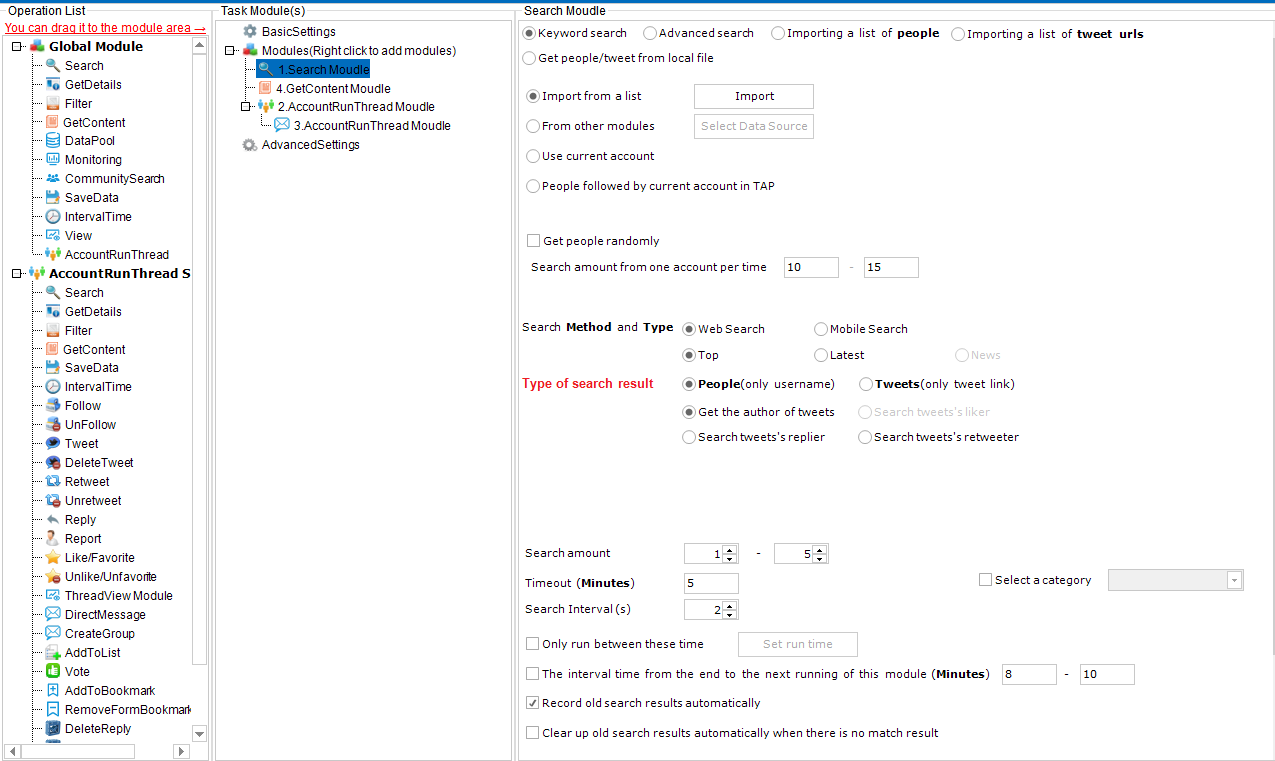
AI Tweet: Develop Better Campaign Content
Use the AI Tweet feature to brainstorm post ideas, develop different hooks, and prepare content around your audience's problems.
For example, you could develop separate content themes for product education, industry insights, tutorials, and frequently asked questions.
The goal is to create posts that attract relevant conversations—not simply to publish more posts.
AI-generated drafts should be reviewed and edited to reflect your own knowledge, brand voice, and audience needs.
AI Rewrite: Adapt Content for Different Campaigns
The AI Rewrite feature can help you revise existing copy, improve clarity, and adapt a message for a different audience or campaign.
Use it to make content more relevant and readable. Avoid using rewriting tools to produce repetitive, near-identical promotional posts across multiple accounts.
Each campaign should provide distinct value and follow X's rules against spam and duplicative content.
AI DM: Streamline Message Preparation and Outreach
TweetAttacksPro includes AI-powered direct-messaging functionality that can support a more organized messaging workflow.
For compliant campaigns, use DM tools only within permitted use cases—for example, to prepare relevant responses or handle messages for users who have explicitly requested contact and where the implementation satisfies X's requirements.
Before using any automated DM function, verify the specific operation, permissions, and current platform requirements. A software feature does not override X's policies.
Important: TAP should not be used to send unsolicited promotional DMs to everyone who likes, reposts, follows, or otherwise interacts with a post. Nor should it be used to circumvent X's restrictions through multiple accounts.
Smart Scheduling and the Content Board: Keep Campaigns Organized
Consistent publishing helps your audience understand what your business offers and gives interested users more opportunities to discover useful content.
TAP's scheduling and content-planning capabilities can help you organize posts, prepare campaign materials, and reduce repetitive administrative work.
Use a balanced content plan that includes tutorials, product education, industry insights, and relevant website resources. Review scheduled content before publication and ensure that every post is appropriate for its intended audience.
Dashboard and Performance Review: Learn What Works
Website traffic campaigns should be evaluated by more than likes or reposts.
Review which topics generate relevant replies, which posts lead to meaningful conversations, and which website pages are useful to your audience.
Where appropriate, use UTM-tagged URLs and website analytics to measure visits and conversions from your X campaigns. This helps distinguish a post that attracts attention from one that brings genuinely interested visitors to your website.
TweetAttacksPro can help organize your X marketing activities, while your website analytics provide the additional information needed to assess traffic and conversion outcomes.
5. A Practical Workflow for Driving Website Traffic
Here is a straightforward approach that combines content planning, relevant conversations, and measurement.
Step 1: Define your target audience. Identify the problems your ideal customers are trying to solve. If you want traffic from the United States, develop content around relevant U.S. audience interests, terminology, and business needs. Do not assume that a user's location can be accurately inferred from a profile.
Step 2: Publish useful, original content. Create posts that answer questions, explain solutions, or demonstrate your expertise. Use TAP's content tools to help plan and prepare material.
Step 3: Invite voluntary requests. Offer a guide, checklist, product demonstration, or additional information. Explain what users can request and how they can contact you.
Step 4: Prioritize relevant conversations. Review replies and incoming DMs. Focus on questions and explicit requests instead of automatically treating every interaction as permission to send a marketing message.
Step 5: Respond with relevant resources. Share the appropriate website page or requested material. Keep the message concise, accurate, and connected to the user's stated interest.
Step 6: Measure the outcome. Track website visits, engagement quality, and conversions. Use the results to improve your next content campaign.
This approach creates a more sustainable process than sending large volumes of unsolicited messages and hoping some recipients click.
6. Can You Send a DM to Everyone Who Interacts with One Click?
This is an important distinction for anyone planning to build an X marketing system.
Technically possible actions and permitted marketing actions are not the same thing.
X's automation rules prohibit unsolicited bulk or automated DMs. Automated DMs are permitted only when recipients have requested or clearly indicated that they want to be contacted via DM, and the sender provides a clear, easy opt-out method.
A like, repost, or follow alone does not establish that permission.
If a user explicitly asks for a resource or clearly opts into a specific DM response, an appropriately designed workflow may help deliver the requested information efficiently, subject to X's applicable rules and technical requirements.
However, you should not assume that a post saying “DM me” gives you permission to send unsolicited messages to every person who interacted with that post. The user's actual action and expressed intent matter.
Before implementing an automated campaign, review the current X Automation Rules and X Authenticity Policy.
7. Build a Marketing System That Can Last
The best X marketing system is not necessarily the one that sends the most messages. It is the one that consistently connects the right content with the right audience and gives interested users a useful next step.
A practical combination of original content, thoughtful conversations, permission-based messaging, and campaign measurement can help businesses make better use of their time.
TweetAttacksPro can support this process with AI content creation, rewriting, DM functionality, scheduling, and campaign-management tools. These capabilities help reduce repetitive work so marketers can spend more time improving their offers, understanding their audiences, and creating useful content.
No software can guarantee website traffic, conversions, or account safety. Results depend on your content, audience, offer, execution, and compliance with platform rules.
Explore TweetAttacksPro: https://www.tweetattackspro.com/
Frequently Asked Questions
1. Can TweetAttacksPro help me turn X engagement into website traffic?
Yes. TAP can help you prepare marketing content, organize campaigns, and manage relevant messaging workflows. Website traffic still depends on audience interest, content quality, and the value of the destination page.
2. Can I automatically DM everyone who likes or reposts my post?
No—not simply because they interacted with it. X prohibits unsolicited bulk or automated DMs. Recipients must have requested or clearly indicated that they want a DM, and an easy opt-out must be provided.
3. Can I automate responses when users ask for a guide or product information?
A permission-based response workflow may be possible when the user's intent is clear and all applicable X rules and technical requirements are satisfied. Review the exact workflow before enabling automation.
4. What should I track to evaluate an X traffic campaign?
Track relevant replies, incoming inquiries, link clicks, website sessions, and conversions. Use tagged URLs and website analytics where possible to understand which content produces meaningful results.
Final takeaway: Use X engagement to understand interest, not as blanket permission to contact people. Combine useful content, respectful communication, and a well-organized workflow to make your marketing more efficient—and more sustainable.